




The Seaweed That's Helping Keep Our Coast Thriving
If you’ve walked the beaches of Port Aransas during the spring or summer, you may have noticed patches or even large piles of brown seaweed along the shoreline. This natural phenomenon is called sargassum, and while it may look unfamiliar or even inconvenient at times, it plays an important role in our coastal ecosystem.
What is Sargassum?.
Sargassum is a floating brown seaweed that spends much of its life drifting across the Atlantic Ocean before making its way to the Gulf and the Texas coast. Along the journey, it creates a thriving floating habitat that supports fish, crabs, shrimp, sea turtles, and countless other marine species.
Think of it as a floating island ecosystem, one that nurtures marine life long before it reaches our shores.
More Than Just Seaweed
When sargassum reaches the beach, its journey isn't over. Along the shoreline, it continues to provide important environmental benefits:
- Creates habitat and food sources for coastal wildlife
- Helps trap sand and support dune formation
- Reduces erosion and strengthens natural coastal defenses
- Returns valuable nutrients to beach ecosystems
- Offers opportunities for beachcombers to discover shells, crabs, and other fascinating marine life
Many of the healthy beaches and dunes we enjoy today have benefited from natural processes that include sargassum.
Why Does It Arrive in Port Aransas?
Sargassum has been arriving on Port Aransas beaches for generations and is a seasonal reminder of the Gulf's connection to oceans around the world. Ocean currents and prevailing winds naturally carry the seaweed toward the Texas coast, with arrivals typically peaking between April and July. While some years bring more sargassum than others, its presence is part of the dynamic and ever-changing nature of our coastal environment.
A Sign of a Living Coastline
Like tides, turtles, and seashells, sargassum is part of what makes the Texas coast unique. Conditions can change from day to day depending on winds, currents, and weather patterns. One stretch of beach may have visible sargassum while another nearby area remains largely clear. Visitors should know that the water is typically still suitable for swimming and enjoying the beach, and many people find that exploring around sargassum reveals some of the most interesting marine life on the shore.
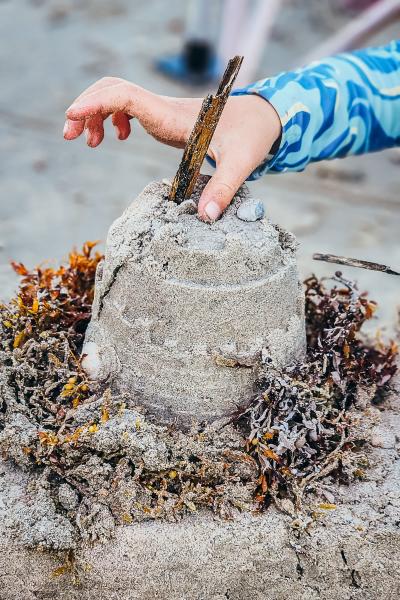
Local tip: If you want to play marine biologist with the kiddos or just for your inner child, you can shake out the sargassum and find tons of tiny sea life. Things like baby fish, tiny shrimp, and little crabs may fall out, and you can say hi to them and return them to the sea!
Current Sargassum Conditions in Port Aransas (June 2026)
As summer begins, sargassum continues to be a topic of interest across Gulf Coast communities. Scientists monitoring the Atlantic, Caribbean, and Gulf of Mexico report that 2026 is shaping up to be one of the largest sargassum years on record, with record-high amounts observed across much of the region. The good news for Port Aransas visitors is that local conditions have remained relatively favorable compared to some other Gulf Coast destinations. Recent monitoring reports indicate that Port Aransas beaches have experienced little to no significant sargassum accumulation, while some neighboring areas along the Texas coast have seen higher concentrations.
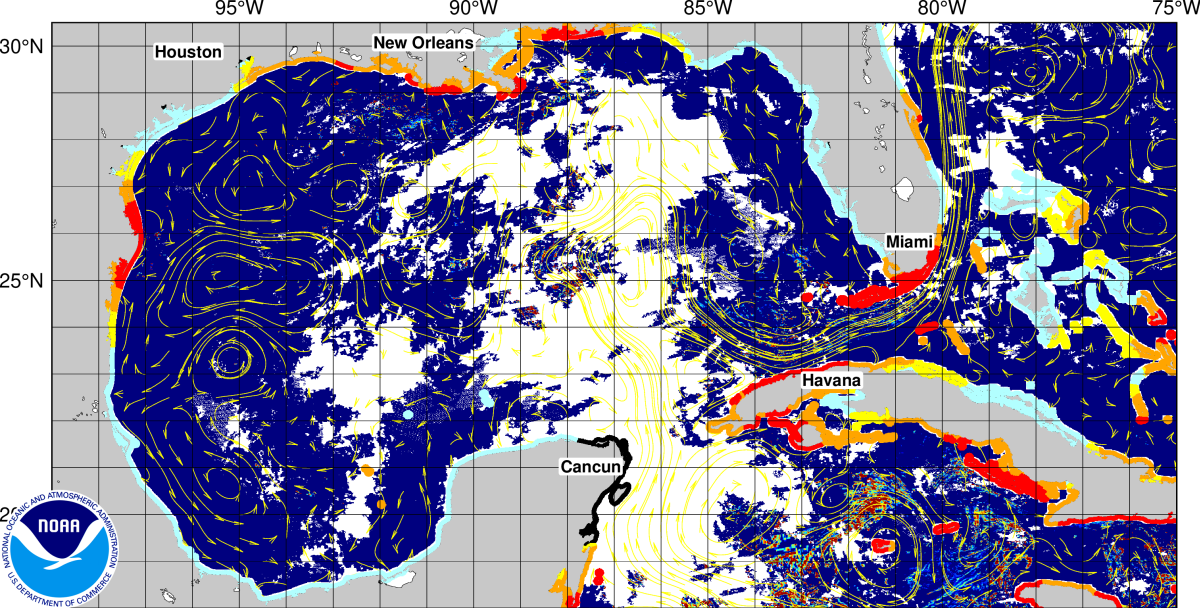
That said, conditions can change quickly. Wind direction, ocean currents, tides, and weather systems can bring new mats of sargassum ashore with little notice. NOAA and University of South Florida researchers expect sargassum volumes throughout the Gulf to continue increasing during June, meaning periodic arrivals on Texas beaches remain possible throughout the summer.
Visitors may notice varying conditions from one day to the next. A beach that is nearly clear in the morning can look very different after a shift in winds or tides. This natural variability is part of life along the Texas coast and is one reason locals often say that every beach day is unique.
Tracking Sargassum Conditions
Thanks to new technology, visitors and coastal communities can now monitor sargassum conditions more closely than ever before. NOAA's recently upgraded Sargassum Inundation Risk (SIR) tool provides daily forecasts showing the likelihood of sargassum washing ashore along Gulf Coast beaches, including Texas. Using satellite imagery and oceanographic data, the tool offers high-resolution updates that help scientists, coastal managers, tourism officials, and beachgoers better understand changing conditions. Because winds, currents, and tides can shift quickly, checking these forecasts can provide a helpful snapshot of what to expect before heading to the beach. The tool is another example of how science is helping communities like Port Aransas balance visitor experiences with stewardship of our unique coastal environment.
While it may not always resemble the perfectly groomed beaches seen in postcards, sargassum tells the story of a healthy, connected Gulf ecosystem. It reminds us that Port Aransas is more than a beach destination, it's a living coastal environment filled with wildlife, natural wonder, and ongoing discovery.
The next time you see sargassum along the shoreline, take a closer look. You might spot tiny crabs, colorful shells, or other surprises that reveal just how vibrant life on the Texas coast can be.